Floor & interior tear-out · Arkansas
Every Building Tears Out Different. We Quote It That Way.
An office slab with glued carpet tile is not a restaurant kitchen with quarry tile in a mud bed. Ricky walks your building, tells you what is under the floor, and hands you a written scope before anyone swings a hammer. Tear-out and haul-off in one trip.
Free, no-obligation on-site quote.
- Owner-operatedRicky Ray prices the job and runs the job. Same man, both days.
- One trip, one billTear-out and haul-off together. No waiting on a second contractor.
- InsuredInsured for general liability. Certificate available on request.
- Occupied buildingsContainment goes up. The tenants next door keep trading.
The part nobody says out loud
A Floor Is Where Buildouts Go Sideways
Demolition is the first trade in and the one everybody underestimates. What is glued to the slab decides your schedule, your dust plan and half your budget. Guess wrong on day one and every trade behind you is late.
-
The number moved once the floor came up
Two layers of vinyl over cutback adhesive over an old thinset bed. Nobody looked first, so the change order arrived on Thursday.
-
Dust went everywhere it was not supposed to
No containment, no negative air, and silica dust in a suite that is still open for business three doors down.
-
The slab was not ready for the next trade
Ridges of glue, tack strip staples, thinset humps. The flooring installer walks in, walks out, and reschedules you.
-
Debris sat on site for a week
A haul-off outfit that quoted low, missed the date, and left a pile in the parking lot with your name on it.
Why generals keep the number
Floors Are the Job, Not a Sideline
Most demolition outfits treat floor tear-out as filler between bigger work, and they price it that way. Superior does floors as the main event and hands over a slab the next trade can actually work on.
The man quoting is the man running it
Ricky Ray owns the company and works the job. No salesman quotes a number and disappears before the first cut. Ask him a question at the walkthrough and you are asking the person who will answer for it.
General liability, certificate on request
Property managers and generals ask for the COI before anyone gets a badge. Say the word and it goes to your office. No hunting, no delay at the gate.
Tear-out and haul-off, one contractor
Demo and disposal are quoted together and executed together. Nobody stands over a debris pile waiting on a second outfit with a trailer.
Demolition by building type
Pick Your Building. We Already Know What Is Under It.
Each one gets its own page, its own flooring assemblies and its own working constraints. Start where your project lives.
Office Buildings
Glued carpet tile, broadloom and tack strip, raised access panels. Suite-by-suite work with the rest of the floor still leased.
Office tear-out →Retail & Shopping Centers
VCT and mastic across big open sales floors. Night work so the anchor tenant and the neighbors never close.
Retail tear-out →Restaurants & Bars
Quarry tile in a thick mud bed, grease-soaked kitchen slabs, epoxy coatings. The hardest floor in the building, every time.
Restaurant tear-out →Medical & Dental
Sheet vinyl with heat-welded seams and coved base. Sealed containment and after-hours schedules around patient care.
Clinic tear-out →Warehouse & Industrial
Coatings, sealers and old epoxy over big square footage. Grinding and scarifying back to sound, workable concrete.
Industrial tear-out →Schools & Churches
Classroom and fellowship-hall VCT on a hard calendar. Summer breaks and the days between services are the whole window.
School tear-out →Apartments & Multifamily
Unit turns and full-property re-flooring. Carpet, pad and tack strip out, glue-down plank ground off, stairwells protected.
Multifamily tear-out →Convenience Stores & Grocery
Sales floor VCT and cooler-area tile, worked around live refrigeration and fuel canopies that cannot go dark.
C-store tear-out →Full Interior Strip-Out
Walls, ceilings, casework and fixtures back to shell and slab when the floor is only part of the scope.
Interior demolition →Occupied buildings
The Suite Next Door Stays Open
Nobody wants to empty a building to change a floor. Containment plastic seals the doorway, the work zone runs on its own air, and the tenants on the other side of that wall keep trading. Night and weekend windows when the tenant cannot lose a business day.
There will be dust. Say that plainly. The job is keeping it inside the plastic and sweeping the slab clean before anyone hands the keys back. How we work occupied buildings →
How a job actually runs
The Walkthrough, Then the Tear-Out
Two halves. The first one is free and it is where the surprises get found. The second one is the part you hired us for.
Before the quote
Ricky walks the building
He looks at what is on the slab, what is under it, and how many layers deep it goes. Test cuts where the assembly is not obvious.
Access, hours and the dumpster
Where the debris exits, which door, which elevator, what hours the property will allow. That is what sets the schedule.
Written scope and a fixed price
Square footage, material, method, haul-off and dates. On paper before anyone starts, so the number does not move mid-job.
On the job
Containment first
Plastic on the openings, protection on the paths, HVAC returns sealed. This goes up before a single tile breaks.
Tear out and grind down
Ride-on and walk-behind tear-out, then grinders and scarifiers to take adhesive and thinset back to sound concrete.
Haul off, sweep, walk it
Debris leaves with us. The slab gets swept, then Ricky walks it with you before it is called finished.
What the work looks like
Slab In, Slab Out
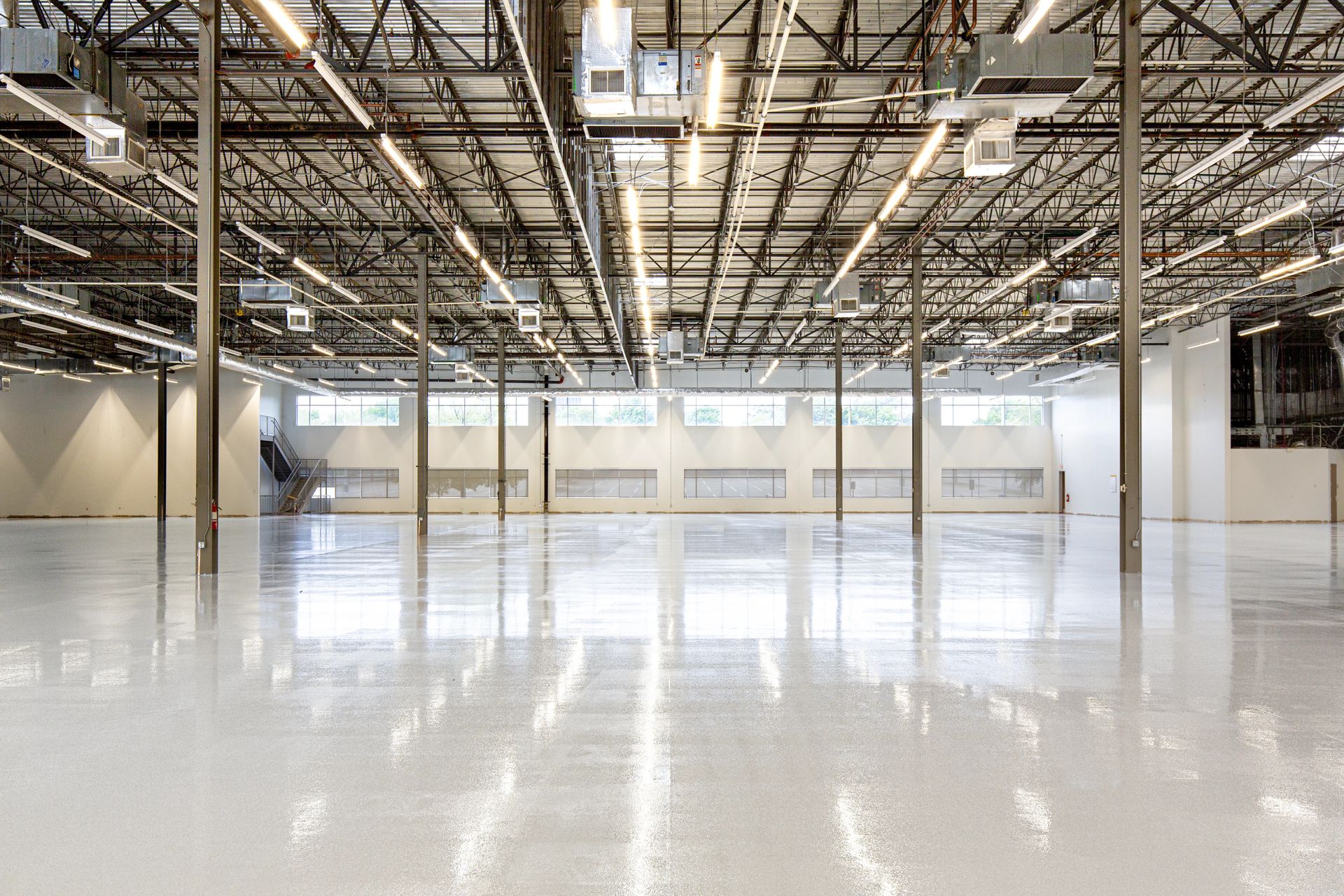
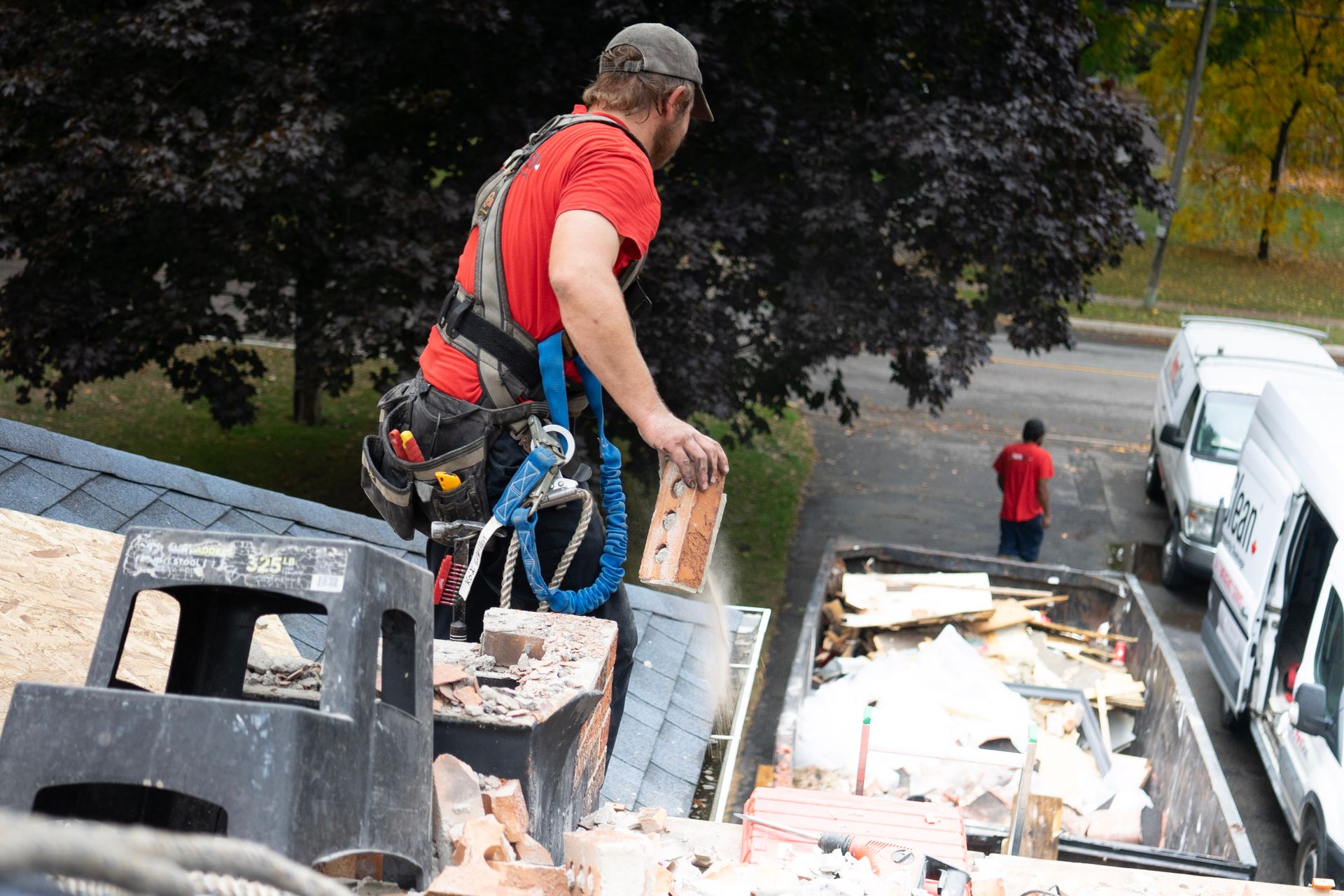
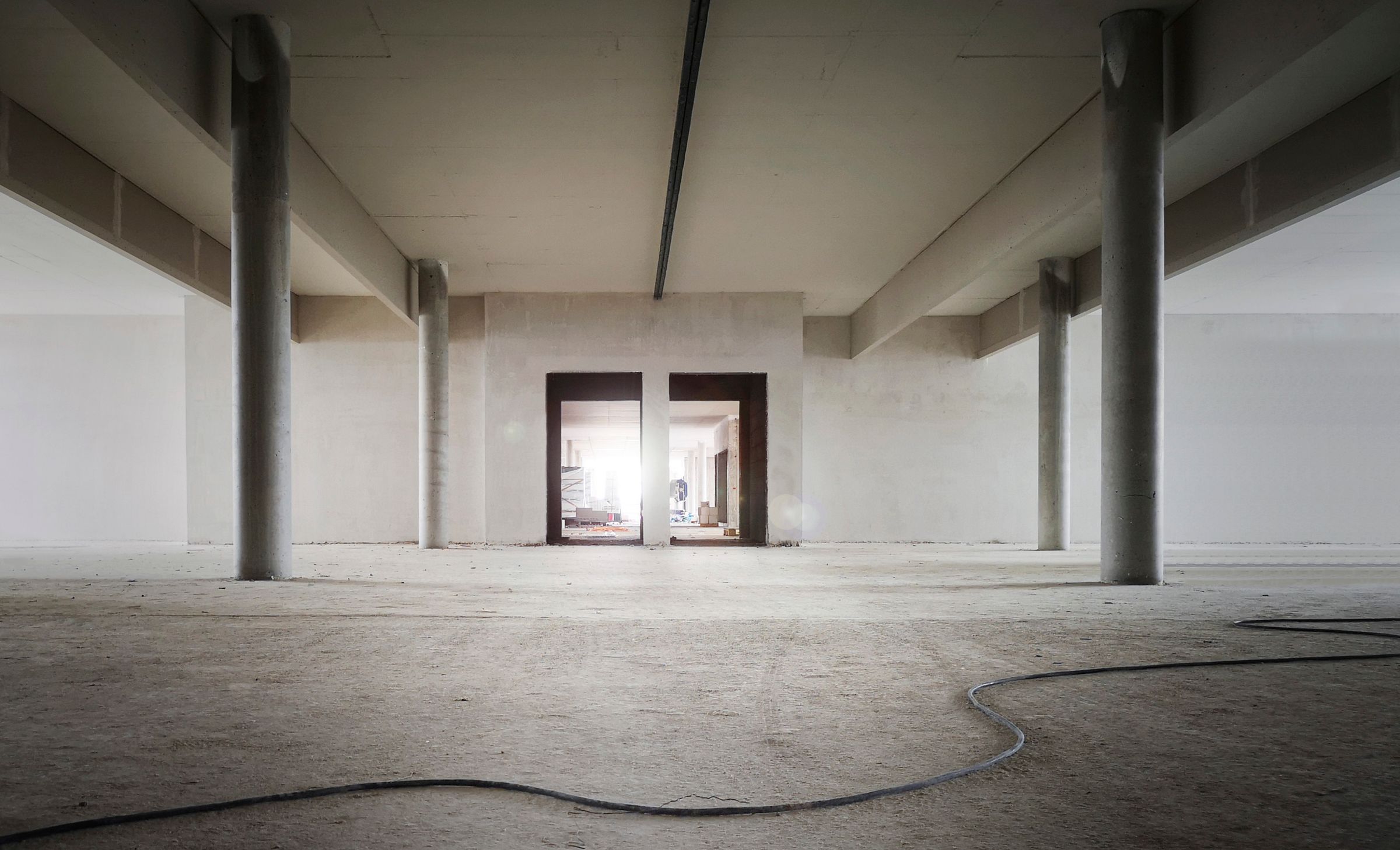
Tile off, glue ground down, debris gone, concrete swept. That last photo is the one that matters, because it is what the next trade inherits.


Said out loud, before you ask
The Uncomfortable Questions
Every one of these gets asked at some point in the job. Better here than on day two.
Will the dust get through the whole building?
Not if the containment is right. Openings get sealed with plastic, HVAC returns get covered, and the work zone is kept separate from occupied space. Tear-out makes dust. There is no version where it does not.
What we control is where it stays and what the slab looks like when we leave.
Are you going to wreck my door frames and subfloor?
Jambs, thresholds, corners and elevator paths get protected before the first load rolls. On a wood subfloor the machine gets matched to the substrate so the tear-out takes the finish and not the deck.
Will the price move once you open the floor up?
The scope is written before we start, and it is written after Ricky has actually looked under the floor at the walkthrough. That is the whole point of walking it first.
If something genuinely unknown turns up mid-job, you hear about it that day, in person, before any extra work happens.
What if the floor has asbestos in it?
Old vinyl tile and cutback adhesive in a pre-1990 building is a real possibility, and testing is the building owner's call and cost. We do not tear out suspect material.
If a test comes back positive, abatement is a licensed specialty and it happens before we start. We pick the job back up on clean concrete.
Do I have to pay money up front?
Terms get agreed at the walkthrough, in writing, before the schedule is set. Nothing is assumed and nothing is collected against a verbal.
Something is wrong after the job — then what?
Call the same number you called the first time and you get Ricky, not an office. He walked the job at the start and he walks it at the end, so there is nobody to hand you off to.

What sets the number
Why We Will Not Quote a Floor Over the Phone
Two buildings with identical square footage can differ by a factor of several. Anybody who gives you a price sight-unseen is guessing, and their guess turns into your change order.
- The assembly. Carpet and pad comes up easy. Quarry tile in a two-inch mud bed does not.
- How many layers. Vinyl over vinyl over cutback is three tear-outs charged as one floor.
- How clean it has to be. Broom-clean and grind-to-bare-concrete are different scopes and different prices.
- Access and hours. A ground-floor roll-up door beats a third-floor suite with one freight elevator and a 9pm start.
- Containment. An empty shell is one price. A live building with tenants on both sides is another.
Free, no-obligation on-site quote.
Where the trailer goes
Based in Higden. Working Across Arkansas.
The shop sits at 29 Mill Creek Rd in Higden, out on the Greers Ferry side of Cleburne County. From there the work runs statewide across Arkansas, plus the western half of Tennessee.
Central Arkansas is the short drive and gets same-week walkthroughs more often than not. Northwest and the Delta take a little more planning on the schedule. Tell us the address and the date and Ricky will tell you straight whether he can hold it.
Asked and answered
Demolition Questions, Straight Answers
The ones people actually type into a search bar before they call somebody.
What are the two main types of demolition?
Selective and total.Selective demolition takes out specific parts — a floor, a wall, a kitchen — while the structure stays standing. Total demolition removes the whole building. Everything Superior does is selective: floors, interiors, and strip-outs back to shell and slab.
What are the methods of demolishing buildings?
Mechanical, manual, and deconstruction.Mechanical uses machines — ride-on tear-out rigs, grinders, scarifiers. Manual is hand tools in tight or sensitive areas. Deconstruction pulls material out piece by piece for salvage. Floor tear-out is mostly mechanical, with hand work at edges, corners and thresholds.
What are the stages of demolition?
Survey, protect, disconnect, demo, haul off.On a floor job it runs: walk the building and identify the assembly, put up containment and floor protection, confirm nothing live runs through the work area, tear out and grind down, then remove debris and sweep the slab before the walkthrough.
What is required to demolish a building interior?
Owner authorization, permits where the jurisdiction requires them, and an asbestos survey on older buildings.Requirements change city to city across Arkansas. On a commercial interior, the property owner or general contractor typically handles permitting. Ricky will tell you at the walkthrough what the job looks like it needs so nothing stalls on the start date.
How long does floor tear-out take?
It depends on square footage, the assembly, and the hours the building allows.A small suite of carpet and tack strip moves fast. Quarry tile in a mud bed, or a night-only schedule in an occupied retail center, stretches it out. You get a date range in the written scope, not a shrug.
What is another term for demolition?
Tear-out, strip-out, or demo.In commercial buildouts you will hear "demo" for the trade generally, "tear-out" for removing a specific material like flooring, and "strip-out" when an interior is being taken back to shell. They describe scope, not different work.
Ready when you are
We Tear It Out. You Get a Clean Slab.
Tell us the building type, the square footage and the date you need it clear. Ricky walks the job before anyone quotes a number.
(501) 259-7997Free, no-obligation on-site quote. Site visits by appointment.