Your store
reopens on
bare, clean
concrete.
Floor tear-out for convenience stores, gas station buildings and grocery buildings across Arkansas. Tile, VCT, quarry tile, glued hardwood, sheet vinyl, cooler pads. Ricky walks the job before anyone quotes a number, and the crew that quotes it is the crew that runs it.
Free, no-obligation on-site quote.
A store that can't
open is a store
losing money.
Every day a c-store sits dark, the fuel island still runs and the payroll still runs. That's why a floor tear-out that drags is worse than one that costs a little more. Here's what goes wrong on these jobs.
The tile comes up. The thinset doesn't.
Half the crews in this state pull the tile, sweep the chips and call it a slab. Then your flooring installer shows up, refuses the surface, and you're paying twice for the same square foot.
Dust ends up in the coolers and on the shelves.
Concrete dust travels. Without hard containment and negative air it's in your walk-in, your fountain machine and the candy aisle, and now you're cleaning product instead of opening.
The debris sits in the parking lot for a week.
Tear-out and haul-off get split between two outfits, the second one is booked, and a pile of broken quarry tile blocks the pumps until somebody remembers to come get it.
The price moves once the floor is open.
A number quoted over the phone without eyes on the slab is a guess. Guesses turn into change orders on day two, right when you have the least leverage.
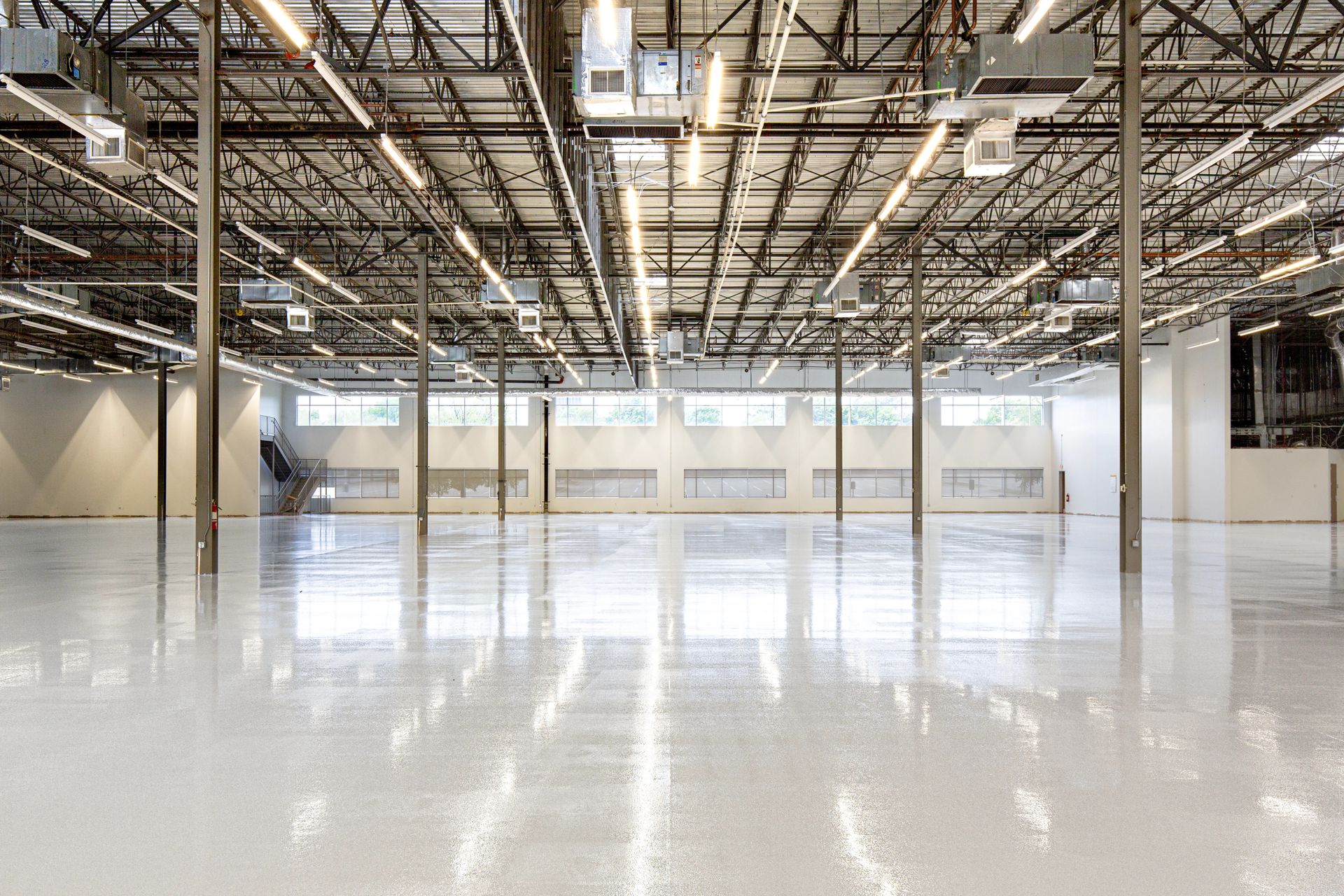
Bare slab. Swept. Ready for the next trade.
We tear it out. You get a clean slab. Thinset knocked down, mastic ground off, tack strip and staples pulled, debris gone the same trip. The floor guy walks in and starts working instead of writing you a punch list.
Every floor a
c-store or grocery
building has.
Convenience stores and grocery buildings stack decades of flooring on one slab. Vinyl over quarry tile over a mastic layer from the eighties. We take the whole sandwich off, not the top layer.
Quarry & ceramic tile
The old kitchen and beverage-area tile that fights back. Tile, bed and thinset off to bare concrete.
Floor demolition →VCT & sheet vinyl
Tile and roll goods pulled, then the black mastic ground down so the new adhesive actually bonds.
See the process →Carpet, pad & tack strip
Office and back-room carpet cut, rolled and hauled. Tack strip and staples pulled, not left for the installer.
Floor demolition →Cooler pads & curbs
Walk-in floors, raised pads and concrete curbs cut out when the box moves or the layout changes.
Interior demolition →Interior strip-out
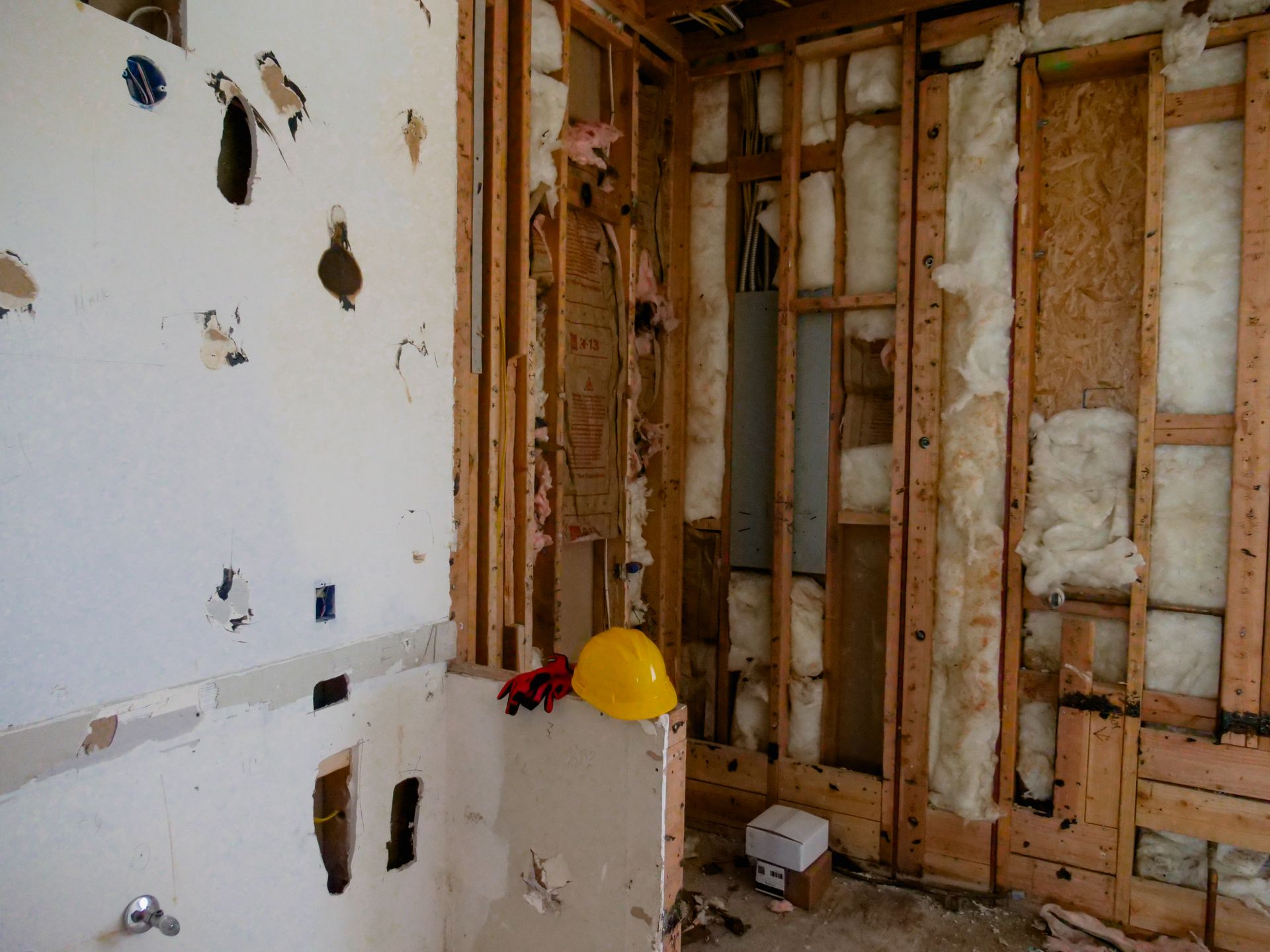
Gondola bases, checkout counters, non-structural walls and ceilings taken back to shell for a remodel.
Interior demolition →Haul-off, same trip
Debris loaded and gone with us. No pile in the parking lot waiting on a second contractor.
Occupied-building work →Two halves.
Neither one
is a surprise.
A store tear-out is really two jobs running against each other: keeping the building sellable, and getting the floor off. We plan both at the walkthrough so you know what your Tuesday looks like.
Walkthrough with Ricky
He walks the slab, checks what's under the top layer, measures the real square footage and asks what has to stay open. Free, and it happens before any number exists.
Containment goes up
Plastic sealed to the deck at the line you pick, doorways zipped, negative air pulling dust back into the work zone. Coolers, shelving and the register side stay usable where the layout allows it.
Night and off-hours work
Plenty of these jobs run after close so the store trades during the day. Say so at the walkthrough and it's written into the scope, not negotiated later.
Tear-out
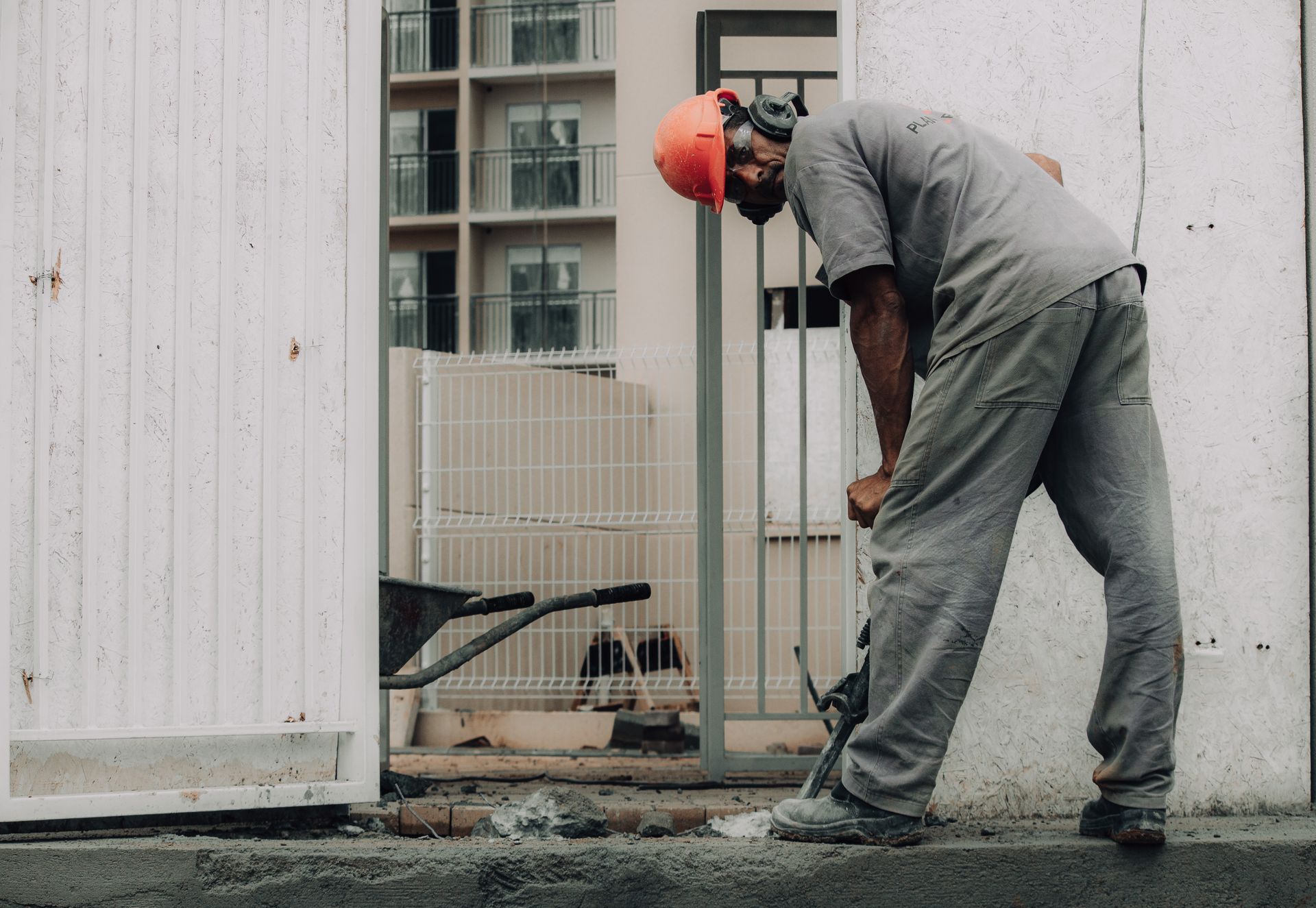
Ride-on and walk-behind removal on the open sales floor, hand work at the coolers, counters and door frames where machines don't belong.
Grind the slab down
Thinset, mastic and adhesive ridges taken off. This is the step that gets skipped and it's the reason your installer rejects a floor.
Load out and sweep
Debris goes on our trailer the same trip. Slab swept, containment down, you walk it with us before we leave.
What a tear-out
actually looks like.
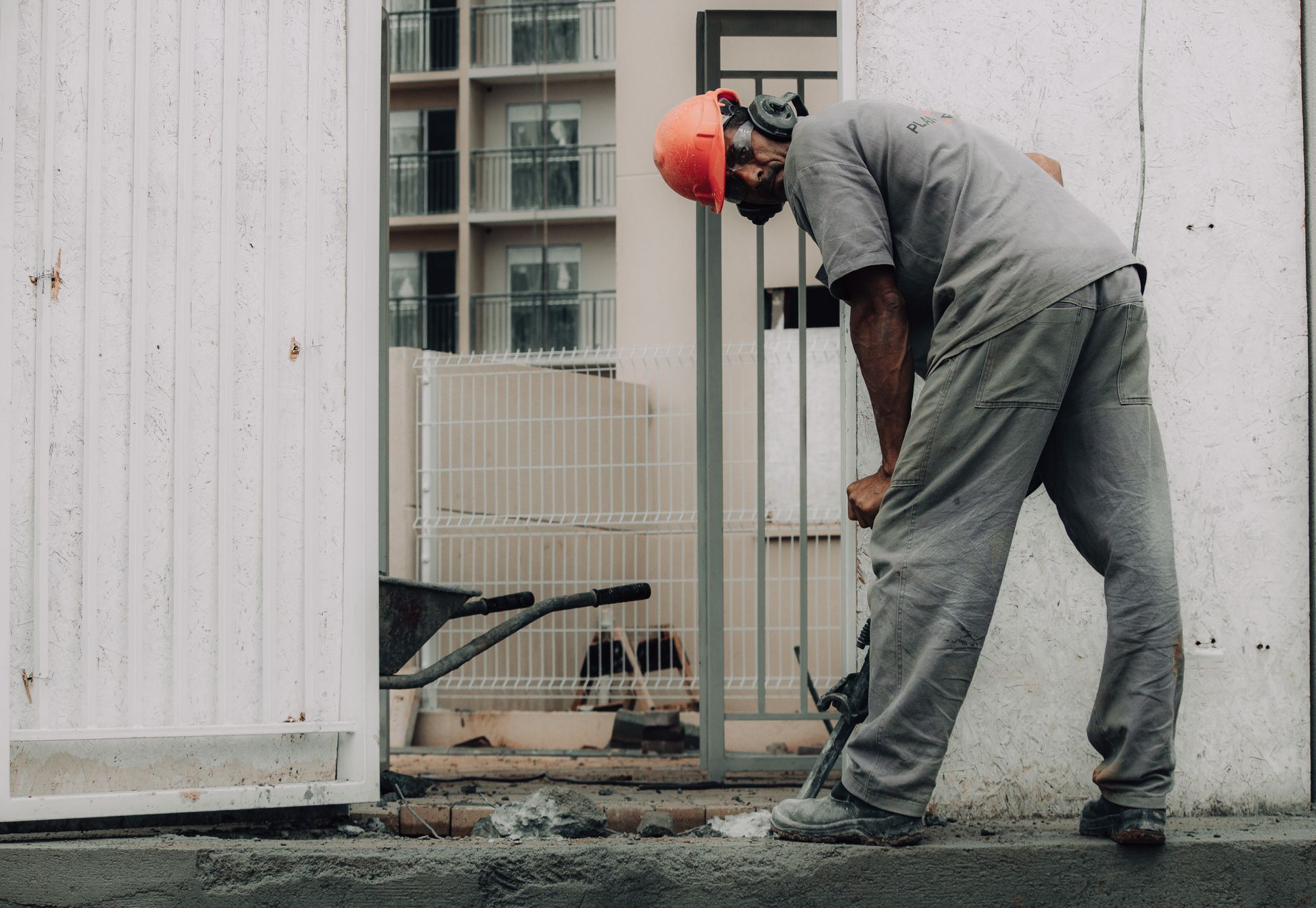
Not renderings. Slabs, machines, plastic and loaded trailers — the four things that decide whether your store opens on time.


The uncomfortable
answers.
Dust, damage, price movement, asbestos, money up front. Every operator asks these five. Here they are without the sales varnish.
Will the dust get everywhere?
There will be dust. Anybody who tells you otherwise has never ground a slab. What we control is where it goes: hard plastic sealed to the deck, doorways zipped, negative air pulling toward the work. Fine dust still finds a way onto a high shelf now and then, so we talk through what to cover or pull before we start.
Will you damage my door frames, coolers or the slab?
Machines stay off the edges. Perimeters, cooler bases, counter kicks and door jambs get hand tools, which is slower and costs more time — that time is in the quote, not added later. If we chip something, we say so the same day.
Will the price move once the floor is open?
The scope and price are fixed in writing after the walkthrough. It doesn't move unless you change what you're asking for, or the floor hides something nobody could see from above — an extra bonded layer, a slab crack that has to be addressed. If that happens, work stops and you get told before another dollar is spent.
What if there's asbestos in the old tile or mastic?
Old 9x9 tile and black cutback mastic in a store built before the eighties are worth testing. Testing is a licensed abatement lab's job, not ours — you arrange and pay for the test, and if it comes back positive, abatement happens before we touch it. We'll tell you at the walkthrough when a floor looks like a candidate.
Do I have to pay money up front?
Talk to Ricky about terms at the walkthrough and get them in the written scope before anything starts. Nothing on that gets decided over the phone.
Something's wrong after the job. Then what?
Call the same number you called to book it. (501) 259-7997 reaches the owner, not a call center, and he comes back and looks at it.
Why nobody
quotes this
over the phone.
Two stores the same square footage can be a day apart in labor. These are the things Ricky is looking at while he walks your slab — and the reason a phone quote on a c-store floor is worth nothing.
- How many layers
- One layer of VCT is a different job than vinyl over quarry tile over a bed. We check at the edges and at a cut before we quote.
- What's holding it down
- Thinset, cutback mastic, urethane adhesive and epoxy all fight differently. Adhesive type moves the grinding hours more than the tear-out hours.
- Whether the store stays open
- Full containment, night shifts and phased areas cost more than an empty building we can run wide open. Tell us which one you need.
- Obstacles on the floor
- Gondola runs, coolers that stay, checkout islands and fixed racking mean hand work around a lot of edges.
- Access for the trailer
- A back door onto pavement is fast. Carrying debris the length of a sales floor past live pumps is not.
- Slab condition underneath
- What the old floor was hiding decides whether the next trade needs patching. We tell you what we find, in writing, when we find it.
Anywhere in
Arkansas.
Superior Floor Demolition is based at 29 Mill Creek Rd in Higden and works the entire state of Arkansas, plus the western half of Tennessee. Multi-store operators: we'll run a chain of remodels on a schedule rather than one call at a time.
Cities we tear floors out in
Store remodels cluster around the highway corridors, so most of our c-store and grocery work lands in these towns. If yours isn't on the list, it's still in the coverage area — call and ask.
Straight
answers.
The questions operators and general contractors actually put to us before booking a c-store or grocery floor tear-out.
Are convenience stores and grocery stores the same job to you?
No — the scale and the schedule are different.A c-store is a small footprint with heavy obstacles: coolers, counters, an island of registers. A grocery building is wide open square footage with long gondola runs and refrigerated cases that usually stay powered. Different machines, different phasing, same handover.
What kind of grocery and c-store buildings do you work in across Arkansas?
Independent stores, chain remodels, gas station buildings and dark boxes.Rebrands, refresh programs, a store changing hands, a former grocery being cut up for a new tenant. If it has a slab under it, we tear the floor off it. Ask about the rest at building types.
Can you work while the store stays open?
Yes — that's most of these jobs.Containment seals the work area, negative air keeps dust from crossing the line, and the rest of the store keeps trading. Night and early-morning shifts are normal on retail floors. See occupied-building demolition.
How long does a store floor take?
It depends on layers, adhesive and access — you get a date in writing.Nobody honest gives you a number before seeing the slab, because one bonded layer versus three changes the day count. Ricky commits to a start and finish window in the written scope after the walkthrough.
Do you haul the debris away too?
Yes. Same crew, same trip, one bill.Tear-out and haul-off aren't split. Nothing sits in the parking lot waiting on a second contractor, which matters when your lot is also the fuel island.
Who actually shows up?
Ricky Ray — the owner — runs the job.The man who prices the work is the man on the floor. That's the point of an owner-operated outfit: no handoff between the quote and the crew, and one number to call if something's off. Read more about the company.
Get a number
you can build on.
Call and Ricky walks the store with you — layers checked, square footage measured, containment plan agreed — before anyone quotes a figure. Then you get a fixed scope and price in writing.
(501) 259-7997Free, no-obligation on-site quote. Insured — certificate available on request.