
- Home
- Floor demolition
Floor demolition
We tear the old floor out. You get a clean slab.
Tile, VCT, cutback mastic, carpet, hardwood, coatings, terrazzo. Whatever is stuck to your floor, it comes off and it leaves the building. Commercial first, across the whole state of Arkansas and the western half of Tennessee. Ricky Ray answers the phone himself.
Free, no-obligation on-site quote.
What comes off
Every floor covering is a different fight
The covering on top is rarely the hard part. What it is stuck down with decides the machine, the labour and the price. Here is what we take off a slab, and what each one actually costs you in time.
 01
01
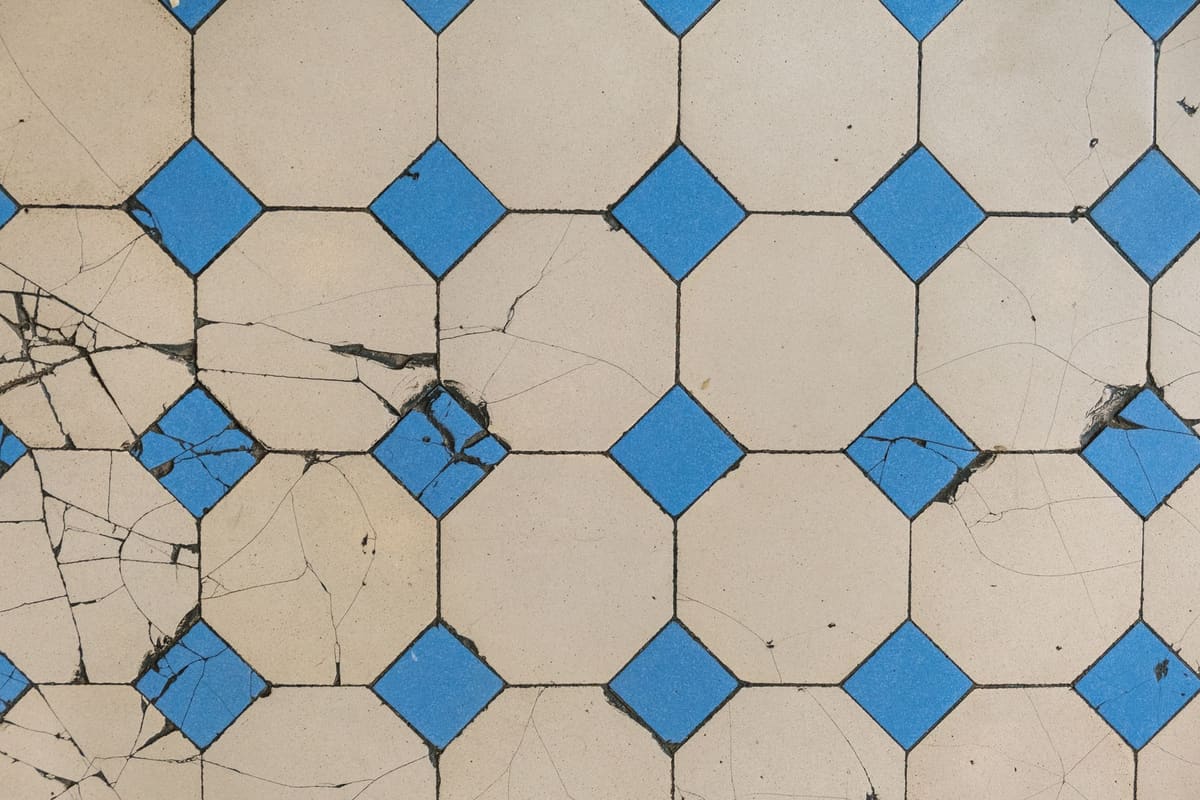
Ceramic, porcelain and stone tile
Tile itself breaks up fast. What holds it down is the job. Thinset over a slab usually comes off with a ride-on scraper and then a grinder pass to knock the ridges down. That is the good version.
A mud bed is a different animal. Under older tile you often find a full bed of packed mortar an inch or more thick, sometimes with wire in it. That is not a scraper job. It gets saw-cut into manageable strips and broken out, and the volume of debris going into the truck goes up several times over. If your tile sits on a mud bed, you need to hear that at the walkthrough, not on day three.
- Thinset-set tile over slab
- Full mud bed with wire
- Quarry tile in kitchens
- Stone and large-format porcelain
- Saw-cutting to control breakout
- Grinder pass to flatten ridges
 02
02
VCT, sheet vinyl and cutback mastic
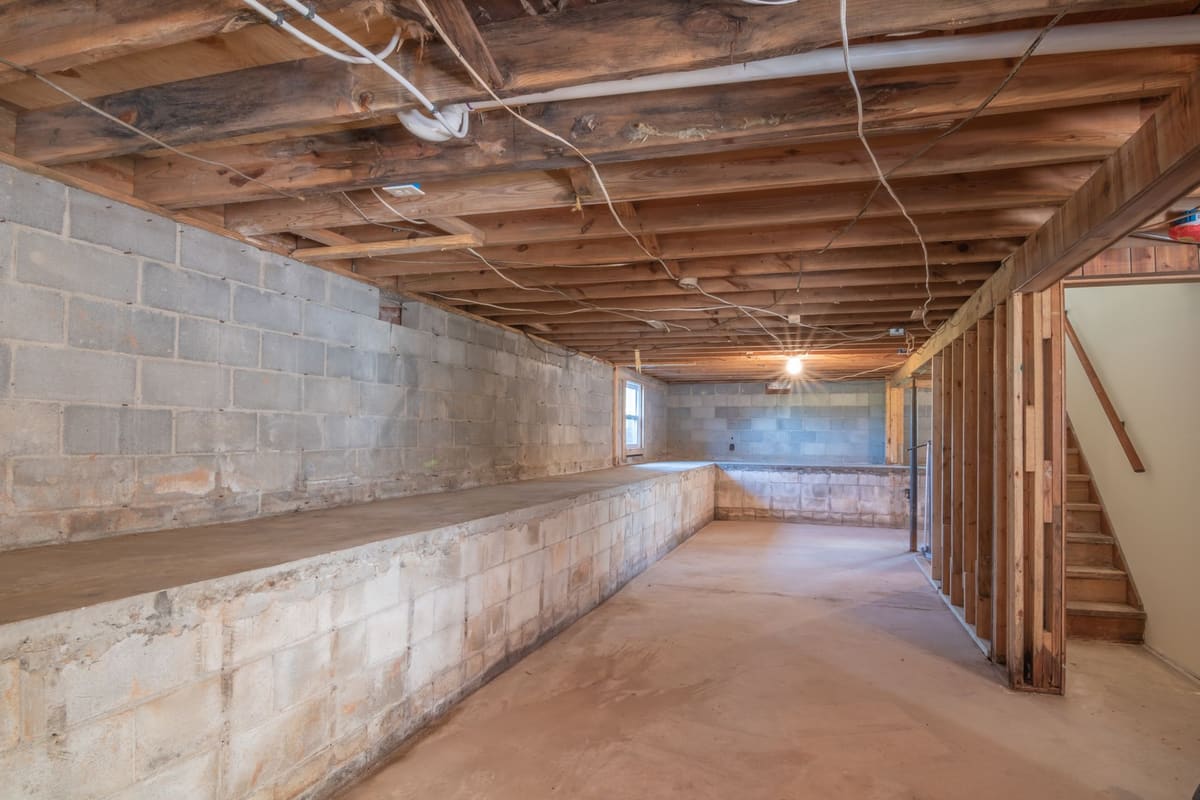
VCT lifts in tiles and goes fast. Sheet vinyl usually peels in sheets and leaves its felt backing welded to the slab. Neither of those is the problem. The problem is what is under them.
Cutback mastic is the black, tarry adhesive that was standard under vinyl for decades. It does not scrape. It smears. Heat it up with friction and it turns to glue again, loads the machine and rolls into ropes. Getting a slab past cutback is a shot blaster or a grinder job with the right tooling, and it takes real time. A contractor who prices cutback like it is carpet glue is a contractor who is coming back to you for more money.
- VCT and vinyl composition tile
- Sheet vinyl and felt backing
- Black cutback mastic
- Water-based flooring adhesives
- Shot blasting to bare concrete
- Grinding where blasting cannot reach
 03
03
Hardwood, carpet and cove base
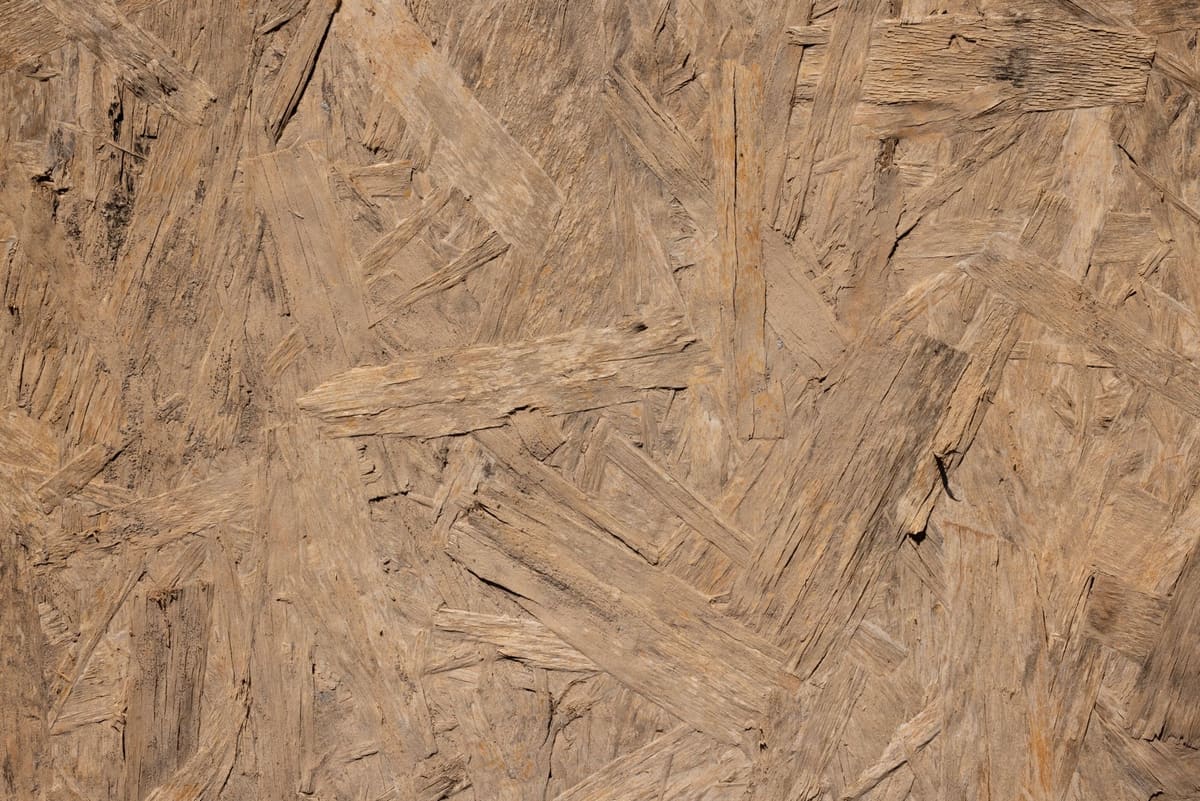
Glue-down hardwood leaves adhesive ridges the width of every plank. Nail-down over sleepers is a framing tear-out as much as a floor tear-out, and the sleepers have to come out with it or your new floor sits high.
Carpet is the fast one. Pad, tack strip and staples all come up, and the staples are what people forget. Leave a few thousand staples in a wood subfloor and the next installer is on his knees for two days. We pull them. Cove base and transitions come off at the same time so the walls are ready for whatever goes back down.
- Glue-down and nail-down hardwood
- Sleepers and furring
- Carpet, pad and tack strip
- Staple pull on wood subfloor
- Cove base and transitions
- Thresholds at every doorway
 04
04
Coatings, toppings and terrazzo
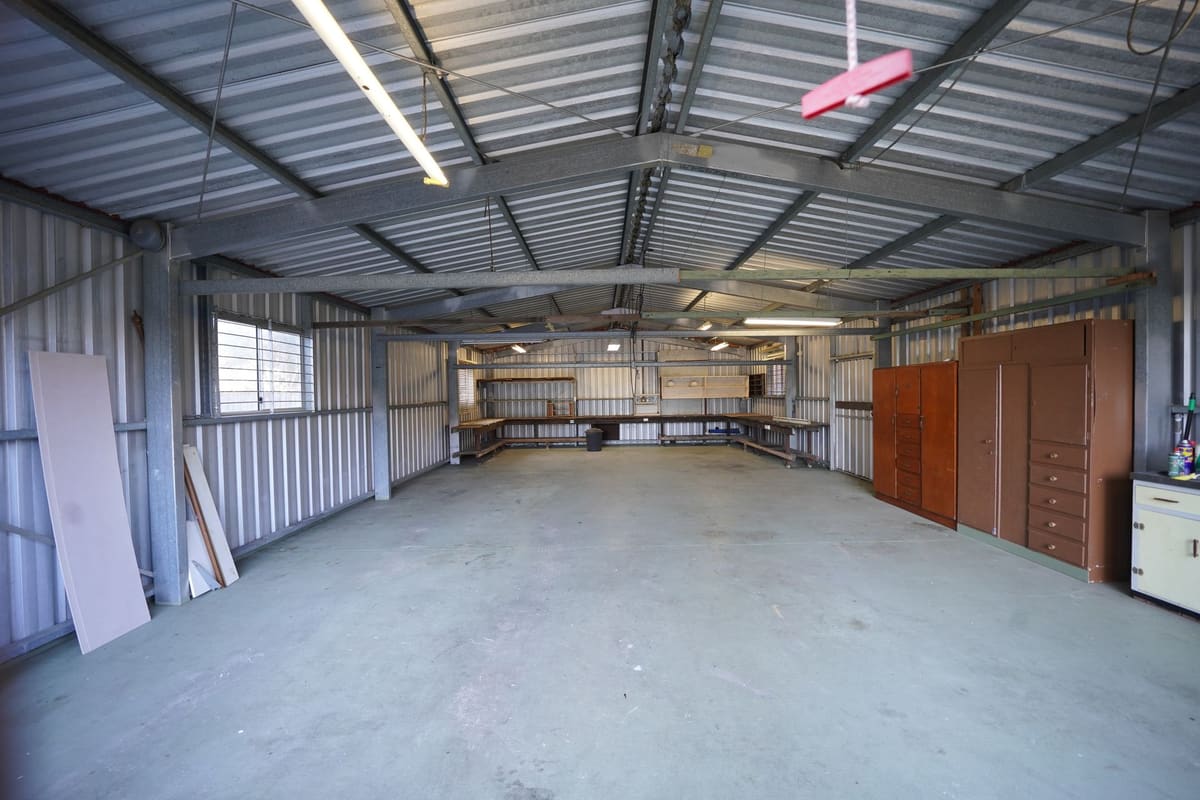
Epoxy and urethane coatings come off by grinding or blasting, depending on how thick they are and how well they stuck. A failed coating that is already lifting is quicker than one that stuck properly.
Then there are the toppings people forget are even there. Self-leveler poured over an old floor. Gypcrete on an upper level. Sound mat and underlayment under a hotel or apartment floor. Terrazzo, which is beautiful and stubborn in equal measure. Each of these changes the machine and the schedule, and each one is worth finding on the walkthrough rather than after the demo starts.
- Epoxy and urethane coatings
- Self-leveler and patch
- Gypcrete on upper floors
- Sound mat and underlayment
- Terrazzo
- Old coatings that already failed
Slab or subfloor
What is under the floor changes the whole job
Before anything else, we work out what we are standing on. Concrete slab and wood subfloor are two different jobs with two different sets of risks, and the price reflects that.
On grade, and it can take a beating
A slab lets us bring weight. Ride-on scrapers, shot blasters and heavy grinders all work here, so the square footage moves fast. The watch-outs are different: post-tension cable, in-floor conduit, radiant tubing, and slab that is already spalled or cracked under the covering. We find those at the walkthrough and say so, because a spalled slab is your flooring contractor's problem the moment we hand it over.
Lighter tools, more hand work
Plywood over joists will not take a ride-on machine, and a shot blaster is out. That means smaller equipment, more hand labour and a slower rate per square foot. Staples, adhesive residue and soft spots all come to light once the covering is off. We tell you what we found. Replacing rotten sheathing or anything structural is not our lane, and we will say that on the spot rather than quietly work around it.
Most commercial work sits on a slab, so most of what we do is slab work. But retail buildouts in older stock, second floors, and anything built over a crawlspace can put you on wood without warning. It is a common surprise, and it is the kind of surprise that moves a schedule if nobody looked first.
This is one of the reasons the walkthrough matters. Ten minutes on site with a floor sample pulled up tells us more than any set of drawings, and it is what lets the written number hold instead of drifting.
Not sure what you have under there? Ricky will come look and tell you straight.
Get a Free QuoteThe machines
Three ways to get a floor off, and when each is right
Picking the wrong machine is how a floor demo goes over budget. Here is what each one does well and what it does badly, so you can hear the reasoning at the walkthrough instead of taking it on faith.
Ride-on scraper
The volume machine. It drives a blade under the covering and lifts it in sheets. Best on open floor with tile, VCT, sheet vinyl, carpet or glue-down wood. It clears square footage faster than anything else on the list. It needs room to work, which is why the perimeter is always a separate conversation.
Shot blaster
Throws steel shot at the slab and vacuums it back with the debris. This is the tool for adhesive residue, thin coatings and cutback that a blade only smears. It leaves a profiled surface a new coating can key into. Slab only, and it runs to vacuum, so the dust stays in the machine rather than in your building.
Grinder
The finishing tool and the tight-space tool. It takes down thinset ridges, feathers the edges a scraper leaves, cleans up where a blaster cannot turn, and flattens high spots. Slower per square foot and more precise. Most jobs use it after one of the other two, not instead of them.
Grinding and shot blasting run to vacuum. Containment plastic seals the work zone and the air returns get covered before anything comes down. That is standard on every job, not an upgrade.
Want to know which machine your floor needs? That is the walkthrough.
Call for a Walkthrough
Edges and obstructions
The last three feet are the ones people underbid
A machine cannot get to a wall. It cannot get behind a column, into a doorway, around a floor drain or under a fixed casework run. So the perimeter, the columns, the thresholds and every transition come off by hand with small tools and knee pads.
That hand work is a real share of the labour on almost every job, and it is the line most low bids quietly leave out. Then the machine sweeps out and there is a ragged band of thinset around the whole room, and somebody has to pay for it. We price it up front. It is part of the number.
- Wall lines and perimeter bands
- Columns and pilasters
- Doorways and thresholds
- Transitions between rooms
- Around floor drains and boxes
- Under fixed casework and millwork
The handover
What the next trade actually needs from us
Floor demolition is a middle step. The person who cares most about our work is the installer who comes after us, and what he needs is specific.
A substrate his adhesive will stick to
New flooring sticks to the substrate, not to whatever we left on it. Adhesive residue, thinset ridges, coating film and old patch all get in the way of that grip. If a floor fails a year later, this is often why. So the slab goes back to a state the installer can work with, and if there is something we cannot fix — a badly spalled area, an old repair that will not hold — we tell you rather than cover it up.
Debris is hauled off and the slab is swept. You should be able to walk in and see concrete.
A slab that can pass a moisture test
Most flooring manufacturers will not stand behind a new floor unless the slab has passed a moisture test first — usually a relative humidity probe or a calcium chloride test — and they set a limit the reading has to come in under. A slab that reads too wet does not get new floor on it until it is dealt with, no matter how clean the demo was.
Two things matter here. Old coverings and adhesives can trap moisture in a slab for years, so the reading you get after demo is not always the reading anyone expected. And the test is the flooring side's call, not ours. What we control is giving them a clean, open slab to test, early enough that a bad reading is a schedule problem instead of an emergency.
Flooring dealer or installer? We do the tear-out so you do not have to.
Get a Free QuoteStart to finish
How the job runs
Six steps, and you know which one you are on the whole way through. One contract, one crew, one person to call.
You call
Ricky answers. Not a call centre, not an answering service. Tell him what the building is, what is on the floor and when you need it gone.
Walkthrough
On site within two business days. We pull a sample up, find out what is under it, and look at access, power, parking and the dock.
Written number
The same day as the walkthrough. Scope in writing, so you can hold it against the other bids line for line.
Containment
Plastic seals the work zone and the air returns are covered before anything comes down. Machines run to vacuum.
Demolition
Machine work across the open floor, hand work at the perimeter, columns and thresholds. Nights and weekends when the space cannot lose a business day.
Load-out
Debris hauled off, slab swept, walk the floor with you. If something is wrong later, he comes back and fixes it.
Working in a building that is still trading? That is its own conversation.
See what we tear out →Pricing
We are not the low bid
You will probably get a cheaper number than ours. We would rather tell you that here than have you find it out on bid day and feel misled.
Our price is mid-market and it is built off what is actually on your floor, not off a square-foot rate applied to a drawing. The cheap bids on floor demolition tend to be cheap for the same three reasons every time: the perimeter hand work is not in there, the adhesive under the covering was not looked at, or haul-off is a separate invoice you have not seen yet.
The written number you get from us does not move mid-job unless you change the scope in writing. As for money before we start — depending on the job, but generally none up front.
- In the number: containment, machine work, perimeter and column hand work, haul-off, and a swept slab.
- Not in the number: dust cleanup beyond the work zone, unless it is quoted.
- Not in the number: asbestos testing. That one is the customer's to arrange and pay for.
- Not our lane: anything structural, anything load-bearing, anything needing a permit we did not price. He says so at the walkthrough.
Free, no-obligation on-site quote.
Where we work
Floor demolition by town
The yard is on Mill Creek Road in Higden, and the work runs out from there across the whole state of Arkansas and into the western half of Tennessee. How far you are changes how the schedule works. The busiest towns have a page of their own. Everywhere else on this list runs out of the same yard on the same terms.
The corridor
40 to 70 miles
- Cabot
- Jacksonville
- Sherwood
- Maumelle
- Mountain Home
- North Little Rock
- Newport
- Russellville
- Little Rock
- Bryant
A run out
70 to 110 miles
- Harrison
- Benton
- Stuttgart
- Jonesboro
- Forrest City
- Hot Springs
- Malvern
- Pine Bluff
- Paragould
The far end
Over 110 miles
- Fayetteville
- Springdale
- Rogers
- Bentonville
- Fort Smith
- Van Buren
- West Memphis
- Memphis, TN
- Bartlett, TN
- Germantown, TN
- Collierville, TN
- Jackson, TN
The corner up by Fayetteville, Springdale, Rogers and Bentonville is a drive, and so is Memphis. Both are worked as a block of days planned as one mobilisation rather than as visits. If your building is out that way, say so on the call and we will talk about how to stage it.
Your town not listed? The whole state is covered. Call and ask.
See what we tear out →Straight answers
The questions we get before every job
My building has old vinyl tile. Should I be worried about asbestos?
It is worth checking. Old vinyl tile and the black cutback mastic under it can contain asbestos, and you cannot tell by looking at it. The test is yours to arrange and pay for. It is not part of our number and we do not carry it out. Get it done early, before you are picking a demolition date, so the result is a piece of information rather than a delay.
How much dust is this going to make?
Less than you are picturing, and we do not pretend it is none. Containment plastic seals the work zone and the air returns get covered before the first machine starts. Grinding and shot blasting run to vacuum, which is where most of the fine dust ends up. Cleanup beyond the work zone is not in the price unless it is quoted. If you want the adjoining suite wiped down too, ask for it at the walkthrough and it goes in the number.
Can you work while we stay open?
Yes. We work around an occupied building rather than asking you to empty it. Nights and weekends when the space cannot afford to lose a business day, phased sections when the whole floor cannot come out at once.
There is more detail on that on the occupied buildings page.
How fast can you be here?
Walkthrough within two business days of your call, anywhere in the footprint. Written number the same day we walk it. The start date depends on how far out you are and what else is running. Towns inside about forty miles are easy to slot in. Longer hauls get planned as a block of work rather than as separate trips, which is usually better for you anyway: fewer mobilisations, fewer days with a crew in your building.
Something not answered here? Ask Ricky directly.
Call (501) 259-7997The rest of what we do
Floors are most of it. Not all of it.
Interior demolition
Strip-out back to shell condition. Non-structural walls, ceiling grid and tile, millwork and casework, fixtures and finishes. If the floor is coming out as part of a full buildout, it usually makes more sense to have one crew do the lot on one contract.
Occupied buildings
Clinics, offices, retail and schools that cannot close. Containment, phasing, night and weekend work, and a crew that understands the tenants are still trading on the other side of the plastic.
Buildout on the calendar? Get the demolition priced before the floor goes on the critical path.
Get a Quote on Your Buildout
Next step
Tell us what is on the floor
Ricky comes out within two business days, pulls a sample up, and gives you a written number the same day. No obligation, and no sales call afterwards.
Call Ricky (501) 259-7997