- Home
- Floor demolition
- Memphis
Shelby County, Tennessee
Floor Demolition in Memphis, TN
Memphis is a straight run east. Same crew, same trailer, same phone number — the state line changes the paperwork and not much else at this range. We tear out commercial floors here the way we tear them out anywhere: containment up first, slab swept last, debris gone with us.
Free, no-obligation on-site quote.
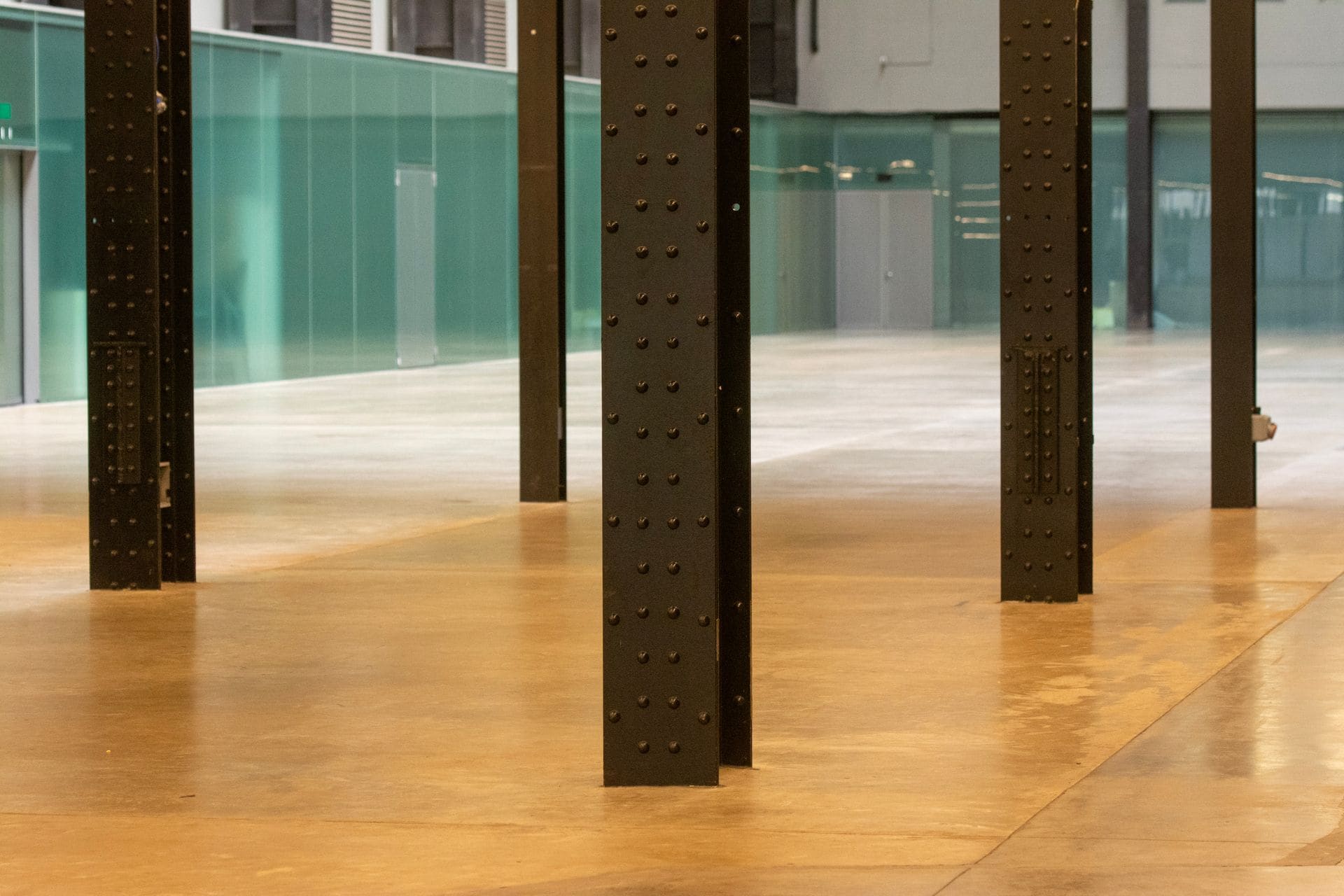
The biggest floor plates on our map
Six hundred and thirty-three thousand people is not a bigger version of an Arkansas town. It is a different job.
Memphis is more than six times the size of Fayetteville and roughly three times the largest Arkansas city we cover. That is the single fact that changes how we scope work here. A commercial stock that size is never finished — somebody is always fitting out, refitting or replacing, and the buildings doing it span every era the city has built in.
It sits on the Mississippi with I-40 and I-55 running through it, which is why the western half of Tennessee is on our service map at all. The interstate that leaves Arkansas goes straight into it.
Practically, that means two things for a tear-out. Floor plates are larger than anything we work on in Arkansas, so square footage — not access, not parking — is usually the variable that sets the schedule. And the substrate under the finish is genuinely unpredictable, because a slab poured decades apart from the one next door does not behave the same way under a scraper.
We price both of those at the walkthrough rather than guessing at them from a plan set. See the whole service area
 01
01
What comes off a Memphis slab
Everything, and usually more of it than the plan admits. In a city that has been building continuously for as long as this one has, one floor plate can hand you three different eras of flooring in three different bays. We price the whole range because we take out the whole range.
- Large-format porcelain on thinset
- Ceramic and stone tile
- Tile set in a mud bed
- Terrazzo
- Quarry tile
- VCT over cutback mastic
- Layered VCT, tile on tile
- Sheet vinyl
- Carpet, pad and tack strip
- Glue-down hardwood
- Nail-down over sleepers
- Epoxy and urethane coatings
- Self-leveler
- Gypcrete
- Sound mat and underlayment
- Cove base, transitions and thresholds
Square footage is what decides the method here. On the big open plates we run ride-on scrapers and shot blasters rather than fighting the floor by hand, and the shot blaster earns its keep twice over on cutback mastic and coating residue. Grinding and shot blasting run to vacuum. On the tight, cut-up areas — back of house, corridors, anywhere a machine cannot turn — it comes back to a scraper and a hammer, and we say so in the number rather than pretending the whole job is machine work.
Where the substrate is spalled or the moisture test comes back wrong, that is a conversation at the walkthrough, not a surprise on the invoice. See what we tear out →
What the run east means for your schedule
Higden to Memphis, about 125 miles, straight east.
At this range the job gets planned as one block of work, not a string of visits. The crew mobilises once, stays until the slab is clean, and walks the punch list before pulling off — because a second trip across the state to chase a corner nobody looked at is time you end up paying for.
That suits a large floor plate better than it suits a small one. A plate this size is phased by definition: we take it in sections so the areas that are still trading stay open, seal the containment at the line between the two, and cover the air returns before anything comes down. The section that is working today does not have to know the section next to it is being torn out.
It is also why night and weekend runs make more sense here than anywhere else on our map. If the crew is making the drive, the building may as well give up its quiet hours — and a space that cannot lose a business day gets the work done in the hours it was empty anyway.
The address itself makes very little difference to any of that. Downtown, out toward the interstate loop, or on an arterial like Park Avenue — it is the same drive and the same mobilisation. The state line is the same story: it changes some paperwork, and it does not change the run.
- One mobilisation. Scoped as a block, not as visits.
- Phased across the plate. Trading areas stay open while we work the next section.
- Nights and weekends. Offered here as a matter of course, not as a favour.
- Punch walk before we leave. The list gets closed on the trip that made it.
- Written number the same day as the walkthrough, and it does not move unless you change scope in writing.
- Jonesboro — the nearest page to this one, roughly an hour west of Memphis
- Fort Smith — the same far-end band, opposite corner
- Fayetteville — far end, northwest
Who calls us from Memphis
In a market this size the same four callers show up as everywhere else — but the first two are running programmes, not one-off jobs, and that changes the conversation.
General contractors
The tear-out sits on the critical path and nothing behind it can start until the slab is clean and flat. On a buildout this size that is not one date, it is a sequence of them — bay by bay, so the trades behind us can begin at one end while we are still working the other. We give you a written number the same day as the walkthrough so you can put a real duration in the programme instead of an allowance. If it turns out we are the wrong trade for part of it — anything structural, anything load-bearing, anything needing a permit we did not price — you hear that at the walkthrough, not halfway through.
Property and facility managers
A building with tenants still trading is the harder version of this job, and at this scale it is the normal version. Containment plastic seals the work zone and the air returns are covered before anything comes down, so the rest of the building never sees the work. We phase it around whoever is open, take the noisy end at night where the space cannot lose a business day, and haul the debris out rather than staging it where your tenants walk. One thing said plainly: dust cleanup beyond the work zone is not included unless it is quoted.
Flooring installers and dealers
You sold the new floor. You do not want the tear-out, and on a plate this size you really do not want it. We take the demolition as its own contract, hand back a swept substrate you can actually measure and moisture test, and stay out of your install. Your crew shows up to a slab instead of to somebody else's mess.
Homeowners mid-remodel
Real work, and we do it — a tile floor bedded in mortar that nobody wants to hand-chisel out is a good reason to call. It is simply not the bulk of what we do in a city this size. Get a Free Quote
The job, start to finish
Four steps is the short version. The long one lives on the floor demolition page.
The call
Ricky answers the phone himself. No call centre, no answering service. Tell him what is on the slab and how much of it there is.
The walkthrough
On site within two business days. We look at the finish, the substrate under it and how the plate can be phased, then you get a written number the same day.
The tear-out
Containment first and air returns covered. Machines on the open sections, hand work where they cannot reach. Grinding and shot blasting run to vacuum.
Load-out
Debris hauled off, slab swept, punch walk done before we pull off site. One contract, one crew, one trip.
The full six-step sequence, and what each stage actually includes, is on the service page.
See what we tear out →Straight answers
You are based in Arkansas. Does crossing the state line change anything?
It changes some paperwork and it does not change the drive. Memphis is a straight run east from the yard, about 125 miles, and the western half of Tennessee has been on our service map from the start for exactly that reason.
You get the same crew, the same phone number and the same contract you would get in Little Rock. Where a Tennessee job genuinely needs something administrative that an Arkansas one does not, that gets sorted before we mobilise, not on the morning we arrive.
Our floor plate is much bigger than a typical job. How do you scope that?
By walking it, and by phasing it. At this size we plan the work as one mobilisation split into sections, so the parts of the building that are still trading stay open while we take the next section down. Ride-on scrapers and shot blasters do the open floor; hand work covers what a machine cannot get to.
The number does not move mid-job unless you change the scope in writing. That is the whole point of measuring the plate properly before anyone quotes it.
The building is old. What happens about asbestos?
The test is arranged and paid for by the customer. It is not in our number and we do not quote it as though it were, because pretending otherwise is how people end up with a bill they did not agree to.
Old flooring in an old building is worth testing before anyone puts a scraper in it. Get the test done, then call us with the result.
Anything else, ask it on the phone. Ricky picks up.
Call (501) 259-7997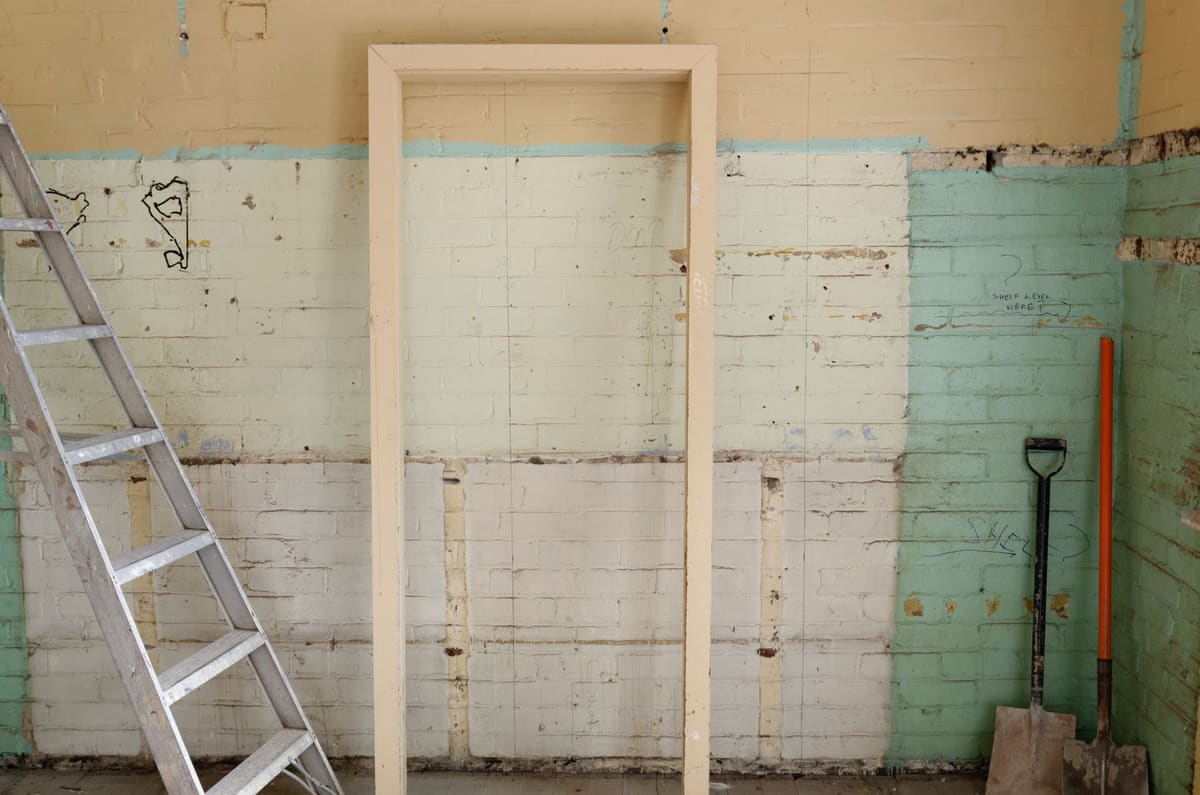 02
02
The other two things we do
If the floor is coming out as part of a bigger strip-out, it is usually cheaper and quicker to have one contract cover the lot rather than to hand the slab to one crew and the walls to another.
Interior demolition takes the space back toward shell condition — ceiling grid and tile, millwork and casework, non-structural partitions, and the floor with them. One crew, one load-out.
Occupied-building work is the same trade done around people who are still using the building. Containment, staged phasing, and nights or weekends where a space cannot lose a business day.

Get a number on your Memphis floor
Tell us what is on the slab and how big the plate is. Walkthrough within two business days, written number the same day, and the price does not move unless you change scope in writing.
Free, no-obligation on-site quote.
Talk to Ricky (501) 259-7997